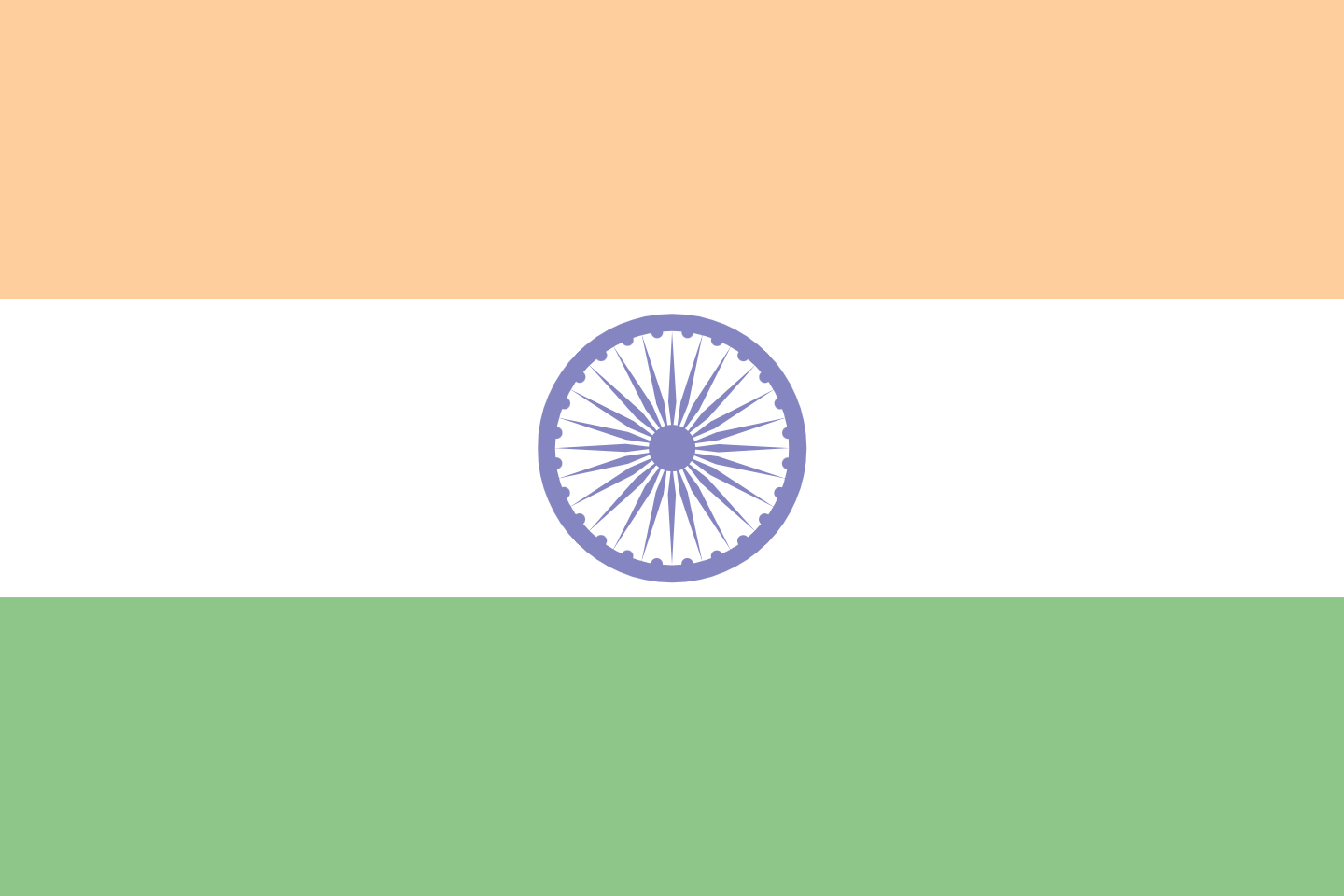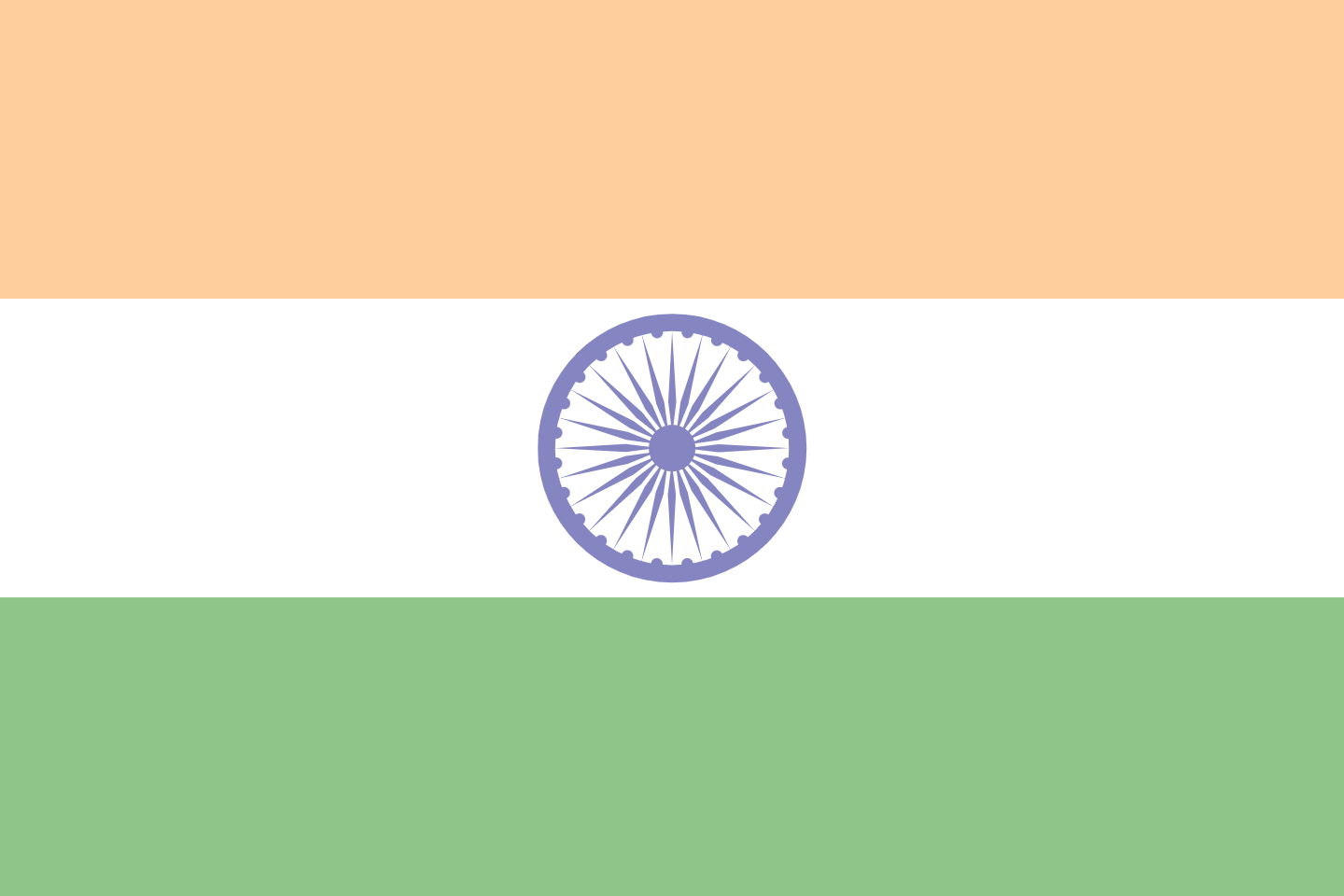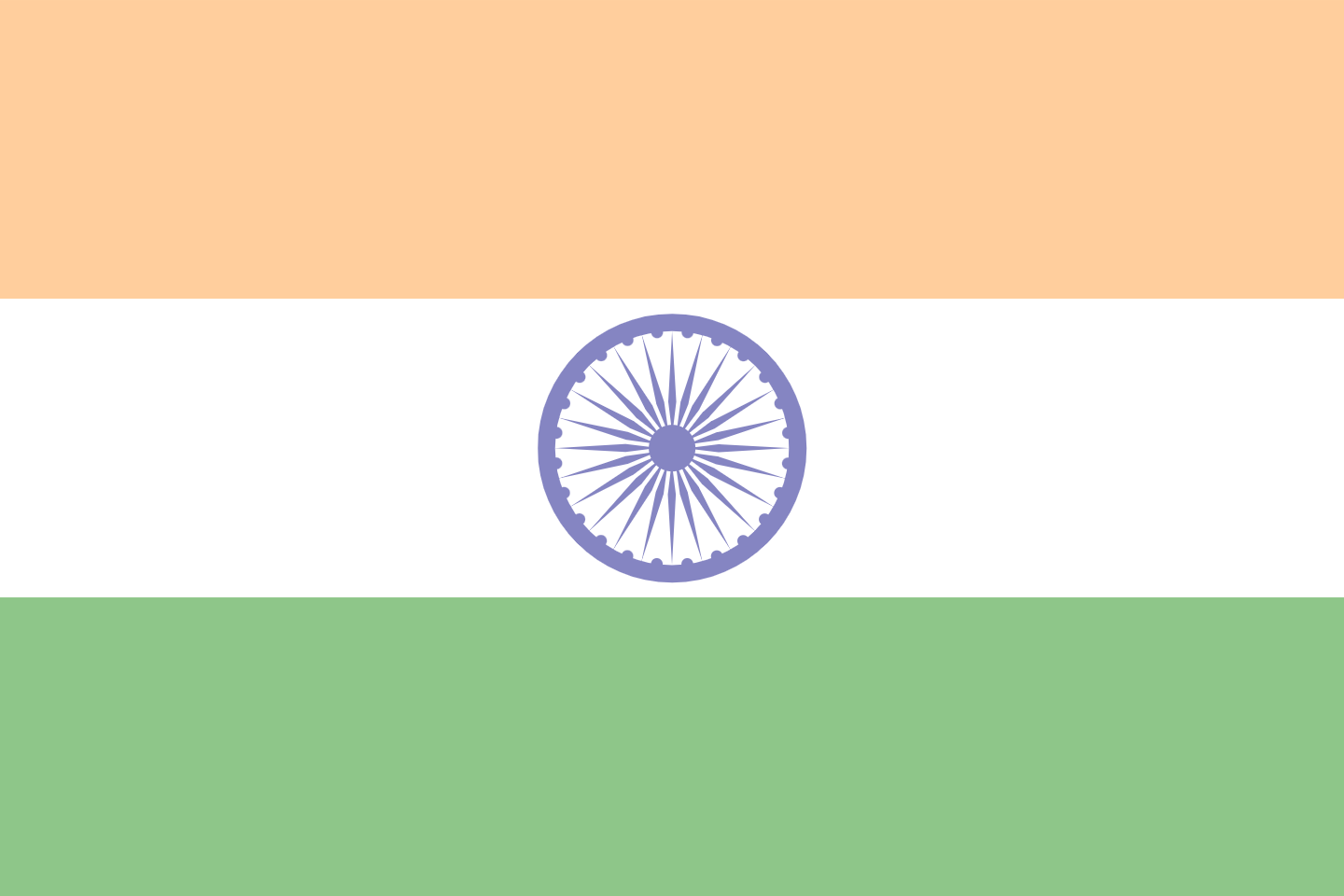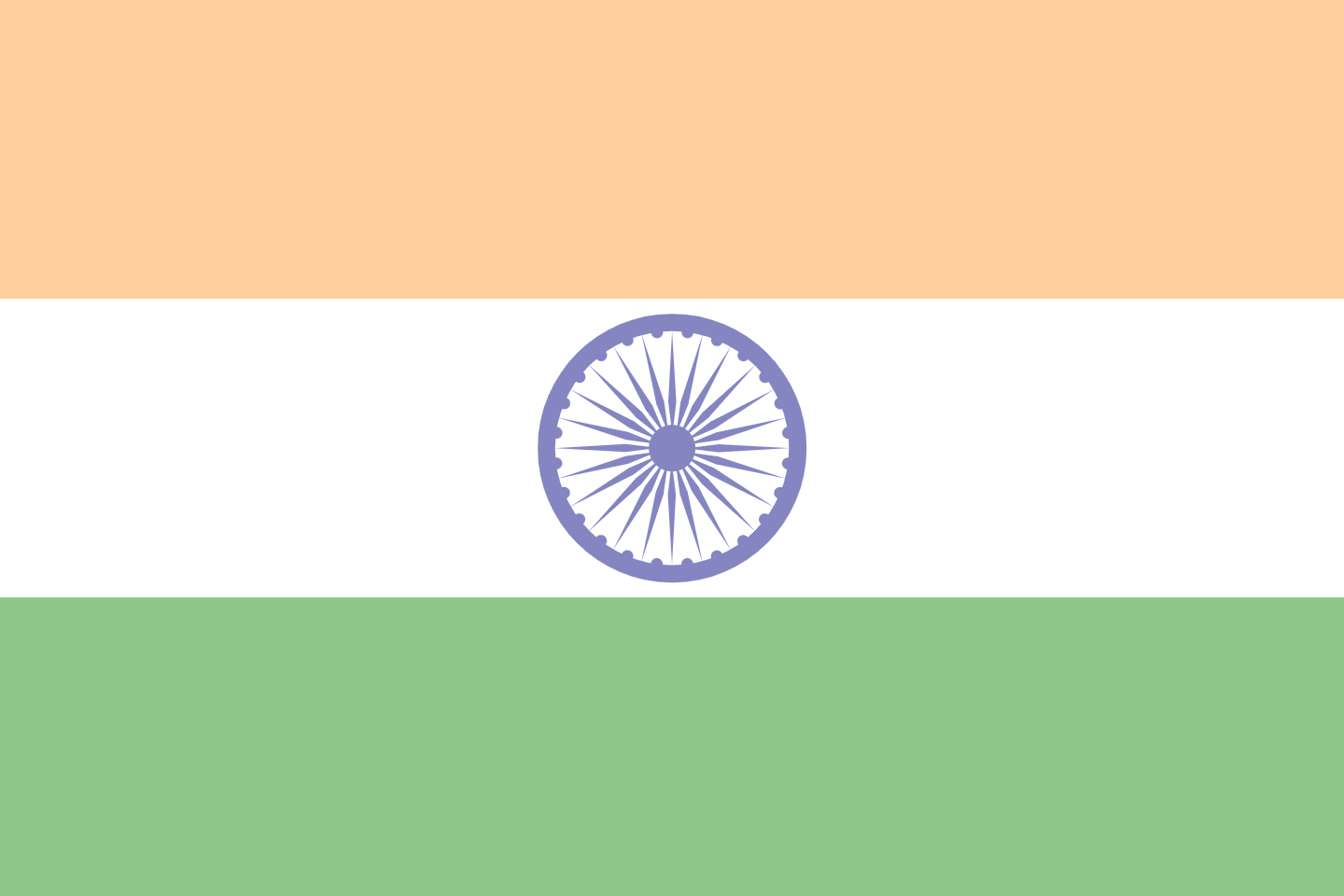


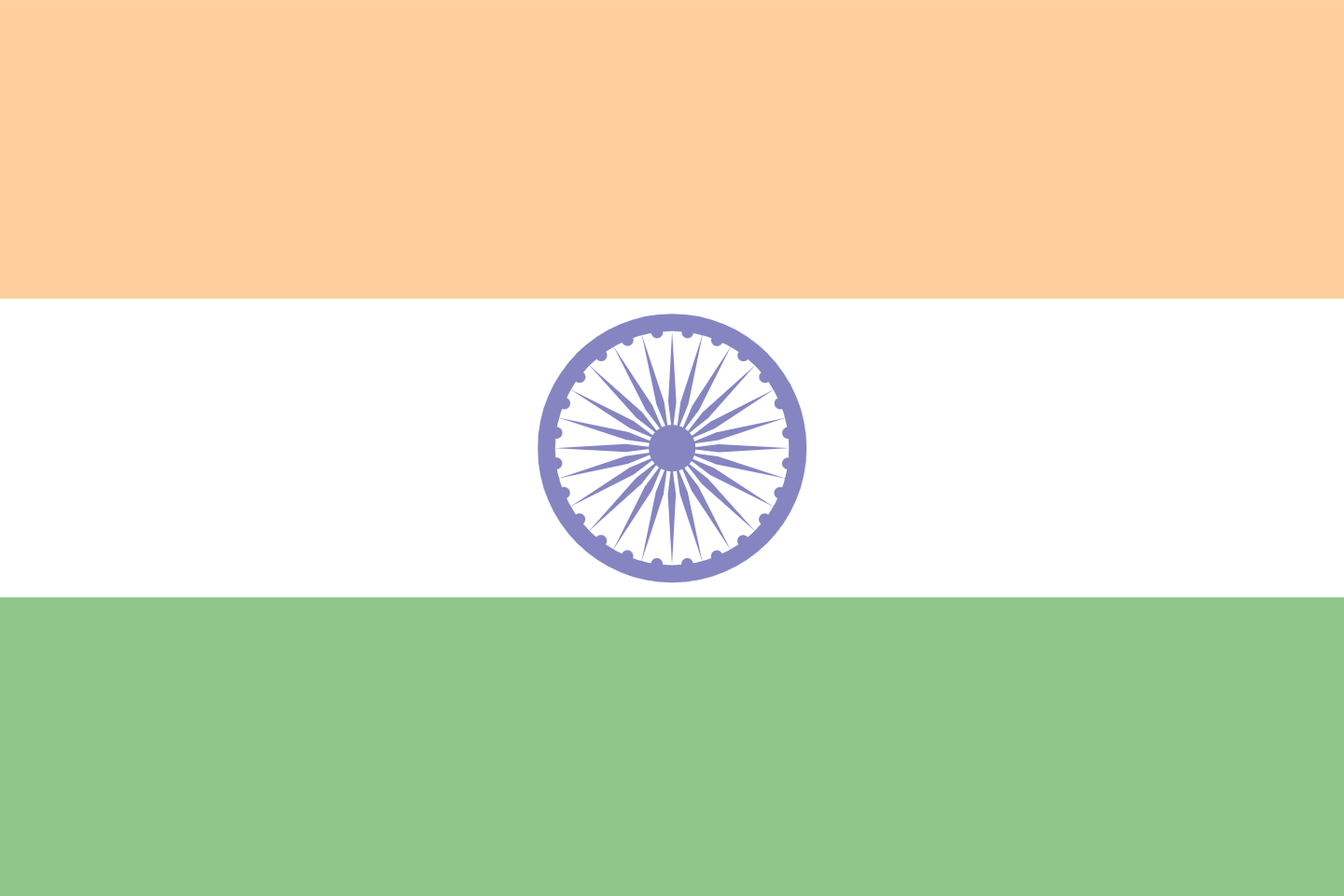

India is the largest democracy of the world.
It is a multi-cultural and multi-lingual society.
India’s remarkable diversity is reflected in its landscape,
cuisine and customs.
It has a diversified wildlife.

Neighbours
India shares its borders with the following countries:
Pakistan - Pakistan lies to the west of India. Ladakh,
Jammu and Kashmir, Gujarat, Rajasthan, and Punjab share their
borders with it.
China - China lies to the north of India and shares its
borders with Ladakh, Himachal Pradesh, Sikkim, Arunachal
Pradesh, and Uttarakhand.
Nepal - In the northeast of India lies Nepal. It is a
country located in the Himalayas.
Bangladesh - India and Bangladesh share one of the
longest borders in the world. The Indian states of Assam,
Mizoram, Tripura, Meghalaya, and West Bengal are a part of this
border.
Bhutan - The Kingdom of Bhutan shares its border with the
Indian states of Arunachal Pradesh, Sikkim, Assam, and West
Bengal.

Political Divisions
India is governed by a parliamentary system consisting of 28
states and 8 Union Territories.
The Union Territories are governed by administrators, appointed
by the President of India.
The states are governed by the respective state governments
elected by the people of the state.

Major Rivers
The important rivers of India are Ganga, Yamuna, Brahmaputra,
Indus, Mahanadi, Godavari, Krishna, Kaveri, Narmada, and
Tapti.
A brief description of a few rivers is as follows:
• Ganga: Ganga is the largest river in India and is
considered sacred by many Hindus. It starts from Gangotri in the
Himalayas and ends in the Bay of Bengal.
• Yamuna: It originates from Yamunotri Glacier in the
Himalayas, then travels across several states and merges into
the Ganga at Triveni, Prayagraj.
• Brahmaputra: Brahmaputra River originates from Angsi
Glacier, then enters Arunachal Pradesh to Assam and merges with
the Padma River in Bangladesh.
• Indus River: The Indus River originates from the
Tibetan Plateau. It flows through Ladakh, then enters Pakistan,
finally merging into the Arabian Sea.